Why scones don't rise
Flat, lopsided, heavy or soapy: match the scone to the cause.
Wide discs, a lean to one side, a tight crumb and a soapy taste each have a different cause. The card takes them one at a time, starting from what is on your tray.
Home baking in the British tradition.
Quantities first, then the method.
Pinned up in the loft
Scone Loft is a small publication about British home baking. Every recipe gives weights, tin and oven setting before anything else, and when something comes out flat we try to explain why.
Start with plain scones, or go straight to the fault-finding card if you have a tray of disappointments in front of you.
Flat, lopsided, heavy or soapy: match the scone to the cause.
Wide discs, a lean to one side, a tight crumb and a soapy taste each have a different cause. The card takes them one at a time, starting from what is on your tray.
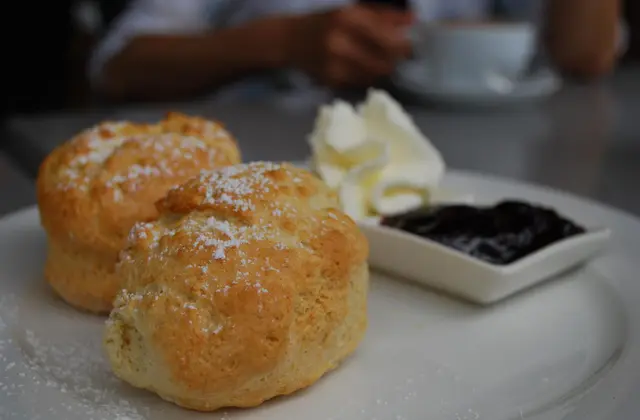
Makes 8. Oven 220C. On the table in about 30 minutes.
| Bake | Conv. | Fan | Gas |
|---|---|---|---|
| Parkin | 160C | 140C | 3 |
| Sponge | 180C | 160C | 4 |
| Scones | 220C | 200C | 7 |
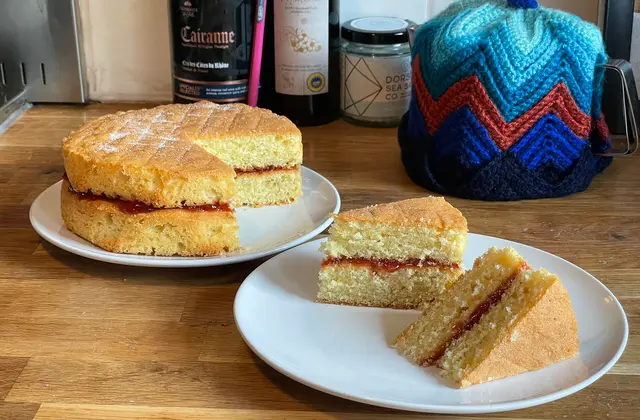
Two 20cm tins. Oven 180C. Equal weights of egg, butter, sugar, flour.
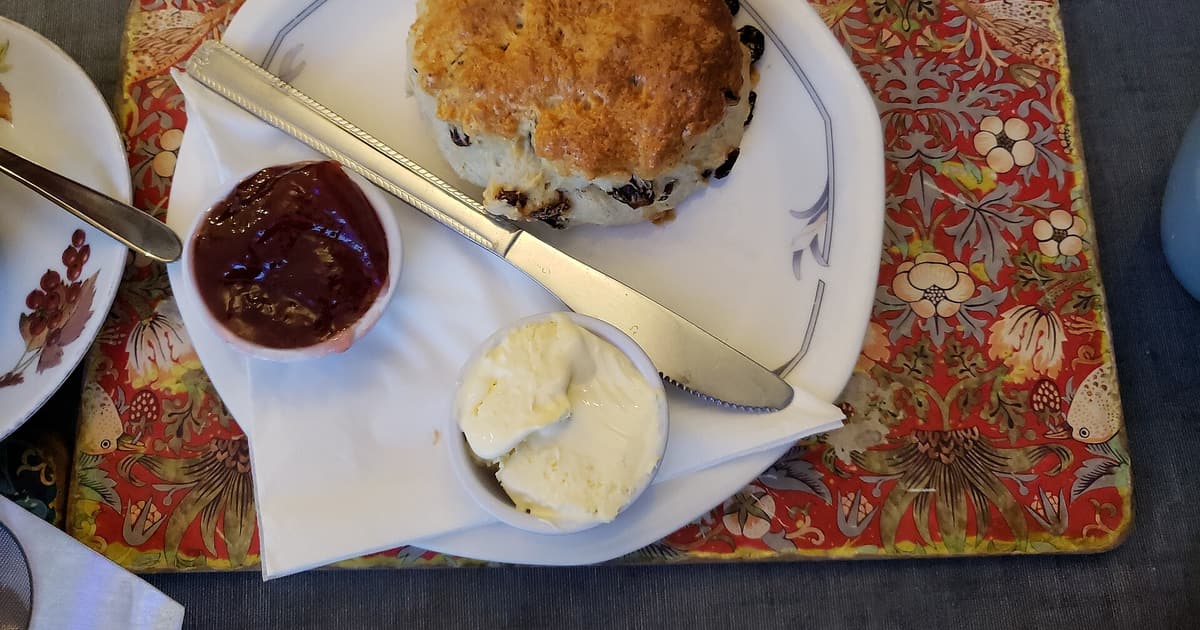
Devon: cream, then jam. Cornwall: jam, then cream. No law says which.
Plus what the protected name for Cornish clotted cream really covers.
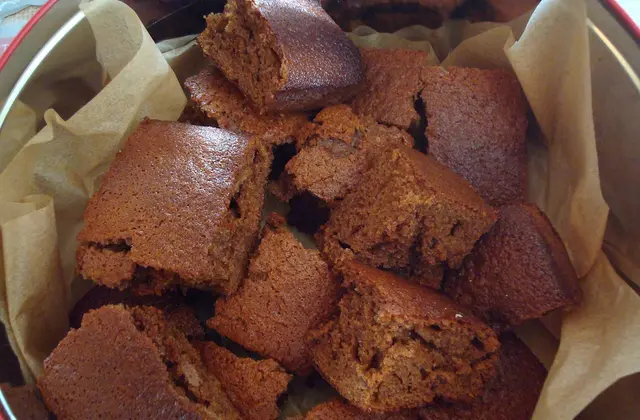
One 20cm square tin. Oven 160C. Bake today, eat in about five days.
All six live in the card box, with dates and notes.
We take pitches for regional bakes, methods and fixes. How to send one.
Hướng dẫn mới về kiểm tra địa chỉ và lưu nguồn trực tuyến.
Xem hướng dẫnHướng dẫn mới về kiểm tra dữ liệu, giả định và kết quả ước tính.
Xem hướng dẫnHướng dẫn mới về kiểm tra địa chỉ và lưu nguồn trực tuyến.
Xem hướng dẫn